
The Role of Luck in Casino Games
Luck plays a critical role in casino games, fundamentally shaping the experience of players from the moment they sit down at a table or approach a slot machine. When we think of casino gaming, terms like “chance” and “fortune” often come to mind, emphasizing the randomness inherent in these activities. Games like roulette and slot machines rely heavily on luck, as outcomes are determined by random number generators or physical processes that are unpredictable, leaving players at the mercy of fate during each round. For those interested in exploring different gaming options, payid online pokies offer yet another way to engage with that thrill of uncertainty, as they hope for that one lucky moment to change their fortunes.
However, it’s essential to acknowledge that while luck is a significant factor, it is not the only element that influences the outcome of games. Skilled players can apply strategies, particularly in games like poker or blackjack, where decision-making and player psychology can sway the results. For instance, a seasoned poker player might calculate odds and read opponents’ behaviors to gain an advantage. Nonetheless, the randomness associated with the roll of dice or the spin of a wheel will always add an element of unpredictability, making the role of luck undeniable in the overall casino experience. This interplay between skill and chance creates a unique environment that keeps players returning for more.
Moreover, the perception of luck can vary from player to player, influencing their attitudes and behaviors. Some players may believe they are on a winning streak, while others may feel cursed after a series of losses. This psychological aspect of luck can significantly affect how individuals approach the gaming experience, from their betting strategies to their overall enjoyment of the games. In essence, luck is more than just a pure chance element; it intertwines with the emotional experience of playing in a casino, often providing the highs and lows that define the gambling journey.
The Psychology of Luck and Gambling
Understanding the psychology of luck can significantly enhance our comprehension of the casino experience. The belief in luck can provide players with motivation and excitement, fostering a sense of hope and anticipation as they engage in gameplay. This psychological phenomenon is known as “locus of control,” where individuals attribute their successes or failures to either external factors, like luck, or internal factors, like skill. In a casino setting, those who believe in luck may approach their games with a more relaxed attitude, believing that outcomes are beyond their control. This mindset can lead to a more enjoyable experience, as players are less likely to feel the pressure of making the perfect decision every time.
Cognitive biases further complicate this dynamic. For instance, many players fall victim to the “gambler’s fallacy,” where they mistakenly think that a sequence of losses means a win is due. This belief can lead to excessive betting or risky behavior, as players chase what they perceive as an inevitable outcome. In these instances, the psychology behind luck can overshadow sound betting strategies, significantly influencing the overall casino experience. The emotional rollercoaster of winning and losing can cloud judgment, making it essential for players to remain aware of these psychological traps.
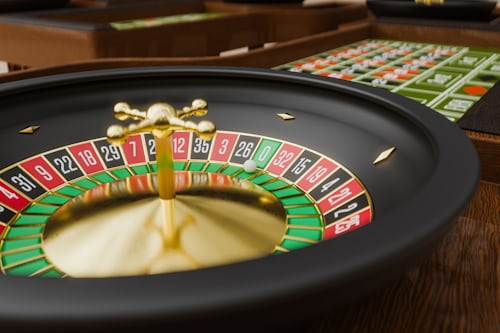
Interestingly, the atmosphere of casinos—the sounds, lights, and celebratory energy—can amplify feelings of luck. The excitement of watching a jackpot being won or hearing the clinking of coins can create a sense of community among players, which can enhance the belief in luck. This collective mindset can encourage individuals to play longer and bet more, intensifying their gambling experience. In this environment, the belief in luck becomes a shared experience, often leading to camaraderie among players, which can further enhance the enjoyment and excitement of the casino atmosphere.
The Influence of Games and House Edge
While luck undoubtedly shapes the gambling experience, it’s also crucial to consider the influence of the games themselves and the underlying house edge. Every casino game is designed with specific odds that favor the house, which means that over time, the casino is guaranteed to win. Games like slots often have a higher house edge compared to table games, meaning that players are more likely to lose money in the long run when playing these machines. Understanding the house edge is vital for players who wish to engage in responsible gaming and make informed decisions about where to place their bets.
Despite this predetermined advantage, players still chase the thrill of winning. The randomness associated with games like slots can make the gambling experience feel entirely luck-based, even though players are statistically more likely to lose. Some individuals may find themselves on a winning streak at a poker table, but the reality is that the house edge is always present, subtly reminding players that luck alone cannot ensure consistent success. This dichotomy between perceived luck and the mathematical probabilities involved can create a complex relationship between players and the games they choose.
Understanding the games and their respective odds is vital for any player looking to enjoy their casino experience responsibly. Being aware of the house edge can help players make informed decisions about which games to play and how much to stake. While luck can lead to those exhilarating moments of victory, knowledge and strategy can temper expectations and guide players toward a more balanced and enjoyable experience at the casino. Ultimately, a combination of understanding the games and recognizing the role of luck can create a more fulfilling gaming experience.
Strategies to Enhance Your Luck
Though luck is inherently unpredictable, many players employ various strategies and techniques to feel more in control of their fate in casino games. One widely discussed approach is the practice of bankroll management. Setting strict limits on how much to bet and how long to play can help players manage their finances and enhance their overall experience, regardless of luck’s role. This strategy enables players to enjoy the thrill of gambling while minimizing the emotional toll of unexpected losses. By sticking to a budget, players can ensure that they are gambling responsibly while still having fun.

Another strategy is to choose games with better odds. Familiarizing oneself with various casino games and their respective probabilities can be advantageous. For instance, games like blackjack or certain variations of poker may offer better chances of winning than games with a higher house edge. Such strategic choices can create a perception of being luckier and improve the overall outcome of the casino experience. Knowledge of the games can empower players, allowing them to make choices that align with their personal preferences and risk tolerance.
Finally, staying in a positive mindset can have a profound effect on a player’s perceived luck. Engaging in positive self-talk and focusing on enjoyment rather than just winning can enhance the emotional experience at the casino. Players who view their time as entertainment rather than solely a competitive endeavor may find themselves feeling luckier and having a more fulfilling experience, irrespective of the actual outcomes at the table or machine. This focus on enjoyment can also help mitigate the negative feelings that may arise from losing streaks, allowing players to maintain a healthy relationship with gambling.
Understanding Your Casino Experience
Your overall casino experience may involve various dimensions beyond luck, shaped by personal preferences, psychological factors, and strategic choices. While luck can play a pivotal role, it is essential for players to reflect on their attitudes toward gambling and the impact of their decisions. Acknowledging the multifaceted nature of gambling can help create a more enriching and rewarding experience tailored to individual desires. The way players perceive their experience, whether positive or negative, can significantly influence their future gaming behavior and choices.
Moreover, the experiences shared with fellow players often enhance the sense of community within a casino. Engaging with others can create memorable moments that transcend the simple act of winning or losing money. The collective joy and excitement of gambling contribute to a unique atmosphere that emphasizes the fun element of going to a casino, allowing individuals to forge connections beyond just luck and chance. This social aspect can transform a solitary activity into a communal experience, fostering friendships and shared memories.
In conclusion, while luck undeniably influences the casino experience, it is not the sole determinant of a player’s enjoyment. Balancing luck with strategy, psychology, and social interactions can lead to a more comprehensive and satisfying experience at the casino. Embracing both the thrill of chance and the insights garnered from personal strategies will help players navigate their journey through the vibrant world of gaming effectively. Ultimately, understanding the interplay of these factors can enhance not only the enjoyment of the games but also the overall experience within the casino environment.