
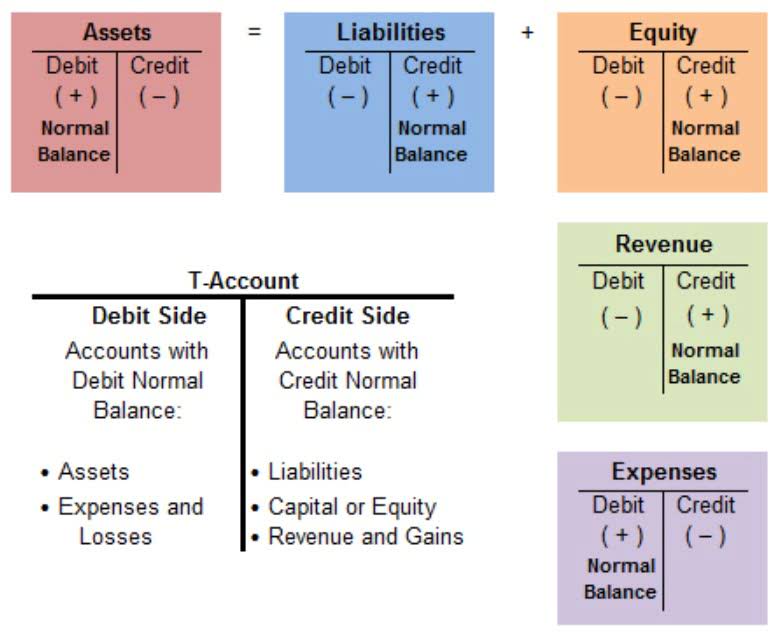
As he enters his transactions, Joe will find the chart of accounts helpful in selecting the two (or more) accounts that are involved. Once Joe’s business begins, he may add more accounts to the chart of bookkeeping 101 accounts, or delete accounts that are never used. Marilyn now explains to Joe the basics of recording Direct Delivery’s transactions.
Learn
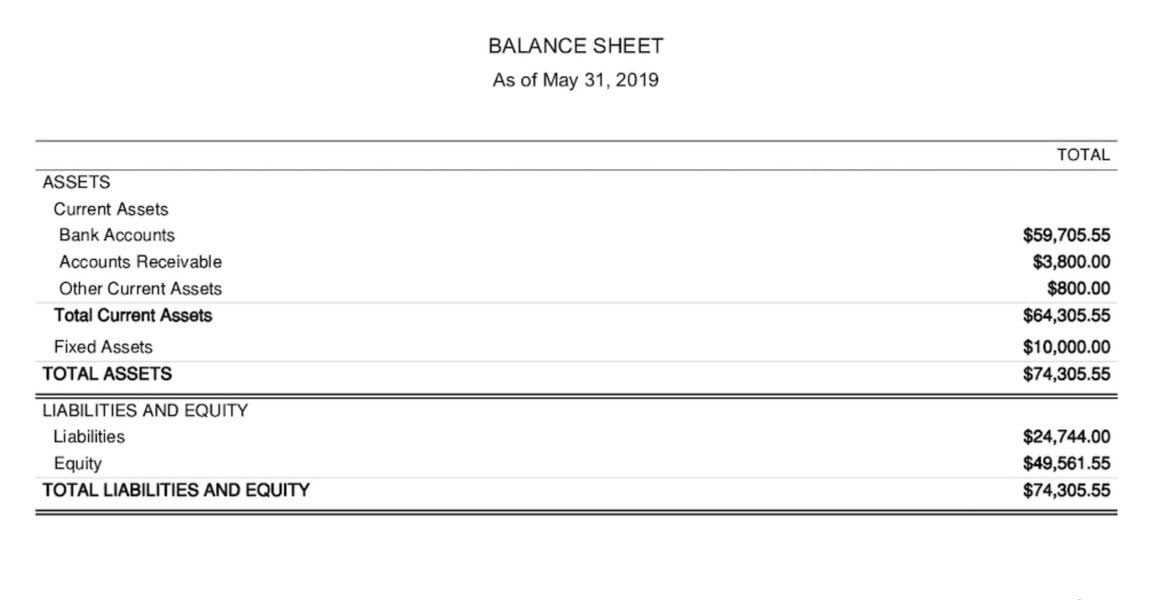
By measuring what matters, you’re empowered to make informed decisions for your business. If you’re doing simple bookkeeping for a small business or you’re operating a one-person business, applying the cash basis of accounting is ideal. Often, the balance sheet is overlooked and is actually one of the most important if not the most important – financial statements. It’s critical that every debit and credit transaction is recorded correctly and in the right account or your account balances won’t match and you won’t be able to close your books.
How to set up bookkeeping for your business
If a general ledger is like a book, a chart of accounts is like a book’s table of contents—it’s a list of all the accounts your business uses to record transactions. In this metaphor, each account is like a chapter of a book, and individual journal entries are kind of like the pages of each chapter. Alternatively, you can pay an accountant, bookkeeper, or outsourced accounting company to manage your accounts and ledger for you.
Choose your accounting method (cash or accrual)
The inventory of a manufacturer should report the cost of its raw materials, work-in-process, and finished goods. The cost of inventory should include all costs necessary to acquire the items and to get them ready for sale. A related account is Insurance Expense, which appears on the income statement. The amount in the Insurance Expense account should report the amount of insurance expense expiring during the period indicated in the heading of the income statement. A related account is Supplies Expense, which appears on the income statement. The amount in the Supplies Expense account reports the amounts of supplies that were used during the time interval indicated in the heading of the income statement.
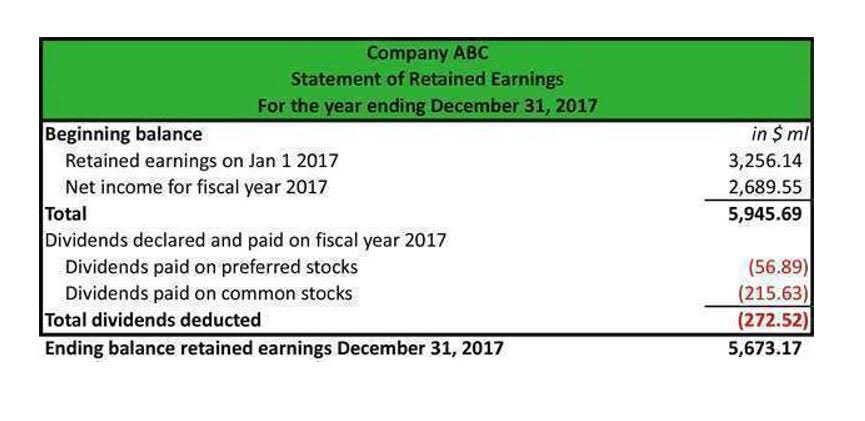
- A class of corporation stock that provides for preferential treatment over the holders of common stock in the case of liquidation and dividends.
- This illustrates a link between a company’s balance sheet and income statement.
- However, certain companies, such as those in service-based industries, may not have a lot of equity or may have negative equity.
- But regardless of the type or size of business you own, the accounts we list below are the most popular.
- Bookkeepers apply the accrual basis of accounting when tracking the accounts receivable and accounts payable.
- AccountantsAccountants have a bachelor’s degree in accounting – or a finance degree considered an adequate substitute – and interpret, classify, analyze, report and summarize financial data.
- There are so many terms and acronyms to keep up with in the industry.
- You also may be able to prevent or uncover fraud, whether from customers, vendors, or employees.
- Additionally, the IRS may require you to use accrual accounting if your business maintains an inventory or has more than $29 million in annual revenue (for the last three years).
- Pilot is a provider of back-office services, including bookkeeping, controller services, and CFO services.
- Each transaction is recorded into the system in the identified category (called an Account) using the known amount.
This means you’ll have an accurate valuation of the item and your retained earnings expenses related to depreciation are accurate. Historical cost may factor in when you’re accounting for lump-sum purchases. Your goal in bookkeeping is to keep the most accurately detailed account of business financials. Determining the historical cost of something you’ve purchased or acquired is merely accounting for the purchase or acquisition at the then-rate you paid.
As a business owner, bookkeeping might not rank high on your list of priorities. However, maintaining accurate financial records is key to your business’s success. Accounts receivable (AR) is the money your customers owe you for products or services they bought but https://www.bookstime.com/ have not yet paid for. It’s important to track your AR to ensure you receive payment from your customers on time.
The two accounts involved are Cash and Vehicles (or Delivery Equipment). When the check is written, the accounting software will automatically record the entry into these two accounts. If the company is a corporation, the third section of a corporation’s balance sheet is stockholders’ equity.
If the ratio of income to debt is small, you’re operating with a narrow profit margin. Analyze where you can cut some costs, and you can improve a narrow profit margin. You can also track your gross margin weekly, biweekly, or monthly based on your sales. If your business incorporates brick-and-mortar sales with online sales, payroll will be different between the two.
Accounts Payable (AP)
To analyze which type of sales amount to the largest profit for your company, you must segregate in-person sales from online sales. In the cash method of accounting, you record the transaction only when the money has actually changed hands. So, even though you received an invoice in January, you’d record the expense as a cash transaction in February, on the date that it was paid. Proper bookkeeping also allows you to determine the areas within your company that could benefit from improvements. If you’re a small business owner, it’s necessary to set projections and forecast the future of your business.
Accrual Basis of Accounting

Equipment will be depreciated over its useful life by debiting the income statement account Depreciation Expense and crediting the balance sheet account Accumulated Depreciation (a contra asset account). Joe also needs to know that the reported amounts on Direct Delivery’s balance sheet for assets used in the business such as equipment, vehicles, and buildings are routinely reduced by depreciation. Depreciation is required by the basic accounting principle known as the matching principle.