
Stock Up Smart: The Ultimate Guide to Buying Bulk Ammo Without Breaking the Bank
Running out of rounds halfway through a range day is a real buzzkill, and that’s exactly the problem bulk ammo solves by letting you stock up in large quantities. It works just like any standard ammunition, feeding reliably through your firearm, but you buy it in big cases or boxes to keep the cost per round down. That means you can shoot more often without constantly reordering, and you’ll always have a solid stash ready for practice, plinking, or just having fun at the bench.
Why Buying Ammunition by the Case Saves You More Than Money
Buying bulk ammo by the case doesn’t just trim your per-round cost—it reshapes how you practice. When you commit to a full case of 500 or 1,000 rounds, you stop rationing at the range. Instead of counting every shot, you drill transitions, reloads, and failure drills until they become muscle memory, 7mm-08 Ammo for Sale and that repetition is where bulk ammo truly pays off. The monetary savings are obvious, but the real dividend is confidence: you no longer treat live fire as a scarce luxury. A case sitting in your safe also means you grab the same lot number every session, so your zero and your trigger feel stay consistent—no more chasing point-of-impact shifts between different boxes. That consistency alone turns range time into productive training, not guesswork. So while the price per round looks good, the practical benefit is a shooter who actually shoots—and improves—every single time.
How Per-Round Pricing Drops When You Purchase in Volume
The most direct financial benefit of buying bulk ammo is the per-round price drop at higher case quantities. Retail boxes of 20 or 50 rounds carry fixed overhead—packaging, shelf-stocking, and individual SKU handling—which inflates each cartridge’s cost. When you move to a 500- or 1,000-round case, that overhead is spread across far more units, so the manufacturer or distributor can shave several cents off each round. The drop is rarely linear; the steepest savings typically appear at the 500-round threshold, with diminishing but still meaningful reductions at 1,000 rounds. This volume discount translates directly to your cost per magazine or per range session, making practice or training more affordable without changing your shooting habits.
Per-round pricing drops with case purchases because fixed packaging and handling costs are spread over more cartridges, yielding the largest cents-per-round savings at the 500-round mark and smaller reductions beyond.
The Hidden Savings on Shipping Costs Per Box
When you buy ammunition by the case, the hidden savings on shipping costs per box become immediately obvious on your invoice. Retailers charge a flat rate per package, not per cartridge, so a single case shipment spreads that one handling fee across hundreds of rounds. Conversely, buying ten separate boxes triggers ten individual dimensional-weight charges, often doubling or tripling the freight cost. You also avoid the per-box “hazmat surcharge” that carriers apply to small, frequent deliveries. Consolidating your order into one heavy carton means the carrier’s base rate stays fixed while your per-box cost collapses.
- One case typically costs the same to ship as two boxes.
- Eliminates repeated per-package fuel and handling fees.
- Larger shipment qualifies for free-shipping thresholds faster.
- Fewer deliveries mean no surprise residential surcharges per box.
Locking in a Price Point Before Future Increases
Locking in a price point before future increases means you pay today’s per-round cost for the entire case, shielding your budget from tomorrow’s higher shelf tags. When you buy by the case, the per-unit price is fixed at checkout, so a later jump of ten or twenty percent won’t touch what you already own. To benefit, first check the current case price against your per-box cost; then purchase only 6.5 PRC Ammo for Sale what you can store properly; finally, reserve that case for training or storage, not immediate use. This approach transforms a single transaction into a long-term cost guarantee for your ammunition inventory.
- Compare the per-round case price to current per-box pricing to confirm the savings.
- Purchase the full case only after verifying your storage capacity.
- Date the case and log the paid price so future purchases reflect your locked rate.
What to Check Before You Stock Up on a Large Quantity of Cartridges
Before you commit to a pallet of bulk ammo, you need to think like a hoarder with a budget, not a collector. First, check the lot number on every box—one bad run of primers can ruin thousands of rounds, and consistent headstamps across the entire shipment tell you the brass is uniform. I once bought a case where the seal was broken, and the powder had settled unevenly, giving me erratic velocities. Also, verify the storage history of that warehouse: if it gets humid, the corrosion on the casings will be invisible until you cycle the fifth round and it Rimfire Ammo for Sale jams. Finally, measure a few samples with calipers—rim thickness and overall length vary by batch, and in bulk, that means your magazine will choke on the last hundred.
Matching the Lot Number for Consistent Accuracy and Velocity
When purchasing bulk ammo, matching the lot number across all boxes ensures consistent accuracy and velocity from the first round to the last. Manufacturers load each lot with identical powder charges, projectile weights, and case dimensions, but subtle variations occur between production runs. If you mix lots, your point of impact may shift, and your muzzle velocity can differ by several feet per second, degrading long-range precision. Before committing to a large quantity, inspect the lot number printed on every carton or case. Request a single lot from your supplier, and verify the number remains uniform on all received boxes. This practice also simplifies future zeroing and load development.
- Confirm every box shares the same lot code before finalizing your bulk order.
- Ask your dealer to pull ammo from one pallet or case to avoid mixed lots.
- Record the lot number in your ballistics log for future reference and consistency.
- If multiple lots are unavoidable, test each separately and note point-of-impact shifts.
Verifying Headstamp and Primer Type for Your Firearm
Before committing to bulk ammo, verify the headstamp and primer type on a single box to ensure it matches your firearm’s chamber and firing mechanism. The headstamp—stamped on the case base—tells you the caliber, manufacturer, and sometimes lot number; a mismatch (e.g., .40 S&W in a .45 ACP firearm) is dangerous. Check primer type: centerfire for most pistols and rifles, rimfire for .22 LR and similar. Some bulk packs mix primer types or use hard primers that cause light strikes in tuned triggers. Test-fire ten rounds from your actual gun before buying thousands, and inspect for berdan vs. boxer primers if you reload—boxer is standard for U.S. brass. A quick visual check saves you from jams, misfires, or worse.

Understanding Bullet Weight and Grain Options in Bulk Packaging
When buying bulk ammo, understanding bullet weight and grain options prevents costly mismatches with your firearm’s twist rate and intended use. Heavier grains (like 147–150gr in 9mm) deliver subsonic performance for suppressed shooting, while lighter loads (115gr) cycle faster with less felt recoil. In bulk packaging, you’re committing to thousands of rounds, so test both options—ideally 50 rounds each—before sealing a case. Grain consistency across bulk lots matters because manufacturers sometimes shift production; verify the lot number and check that every box matches the stated weight. Also, match grain to your barrel’s rifling: a 1:7 twist handles heavy 77gr .223, while Shotgun Ammo for Sale a 1:12 struggles. Ignoring this means wasted money on ammunition your gun can’t stabilize.
Bullet weight dictates terminal performance, recoil, and accuracy; test grains individually, then verify lot consistency before bulk commitment.
How to Properly Store a Pallet of Ammunition at Home
For a pallet of bulk ammo, elevate the entire load off the concrete floor using plastic pallets or rubber mats to prevent moisture wicking into the cardboard. Keep the pallet in a climate-controlled room, ideally between 60–70°F, and never in an attic or garage where temperature swings cause condensation. Stack cases in a stable, interlocking pattern, but avoid exceeding four feet in height to prevent crushing lower boxes. Always rotate your stock, shooting the oldest ammunition first, and seal opened cans with their original lids or desiccant packs. To ensure proper ammunition storage at home, inspect the pallet’s wrapping monthly for tears or rodent damage. Crucially, store your bulk ammo away from any water heaters, furnaces, or electrical panels to reduce fire risk and maintain primer stability.
Choosing the Right Ammo Can and Silica Gel Pack Strategy
For bulk ammo, prioritize steel or heavy-duty polymer cans with a rubber gasket, as they create Ammunition for Sale a near-hermetic seal against humidity. Match the can size to the actual load—overfilling wastes space, while underfilling leaves dead air that holds moisture. Pair this with a desiccant strategy based on volume: use one 10-gram silica gel pack per 50 rounds of pistol ammo, or per 25 rifle rounds, since larger cases displace more humid air. Recharge packs monthly in a low oven (200°F for 2 hours) to maintain peak adsorption. Avoid color-changing indicators—they fail under temperature swings—and always place packs on top, not beneath, the ammo rows.
Rotating Your Stockpile: First In, First Out for Reliable Function
When you buy bulk ammo, treat your pallet as a continuous pipeline, not a static vault. Adopt first in, first out (FIFO) rotation by physically moving older boxes to the top or front of the pallet immediately upon delivery of new stock. Before sealing the new layer, use a marker to write the purchase month and year on each case’s outer flap, then set a recurring calendar reminder every six months to check seals and pull the oldest cases for range use. Never simply add new ammo on top of the old; this buries aging cartridges, exposing them to temperature swings and humidity that degrade primers and powder. Rotate by shifting the new pallet to the bottom of your storage rack and raising the older pallet to waist height, making it the first you grab. In practice, break the seal on the oldest case and load magazines from that supply Handgun Ammo for Sale before touching newer stock. This habit keeps your firing rotation aligned with your purchase timeline, ensuring every round you fire is within its performance window.
FIFO rotation—storing old ammo on top and new below—guarantees you shoot the oldest cartridges first, preventing degraded performance and preserving the reliability of your entire bulk stockpile.
Safe Temperature and Humidity Ranges to Prevent Corrosion
To prevent corrosion on bulk ammunition, maintain a stable temperature between 55°F and 85°F, as extreme fluctuations cause condensation inside packaging. The critical boundary is relative humidity, which must stay below 50%, with an optimal range of 30%–40% for long-term storage. Above 50% humidity, moisture initiates oxidation on brass cases and steel penetrators, while below 30% can dry out sealants. Use a hygrometer to monitor conditions, and avoid basements or garages where seasonal swings create dew points above safe limits. Stable humidity below 40% is the single most effective variable for preventing corrosion on a pallet.

The Best Calibers and Loads for High-Volume Shooting Drills
For high-volume drills, 9mm Luger and .223 Remington dominate bulk ammo practice because they balance recoil management with round-count affordability. A 115-grain FMJ 9mm load with standard pressure cycles reliably in most platforms, letting you burn through 1,000-round cases without punishing your wrists. For carbines, 55-grain M193-style .223 offers flat trajectories and consistent feeding, ideal for transition drills and speed reloads. Steer clear of defensive +P or heavy subsonic loads—they add cost and drag, skewing your timing. Instead, prioritize clean-burning powder and jacketed bullets to minimize fouling during marathon sessions.
The real key is buying identical headstamp lots from one bulk shipment, ensuring your sight picture and trigger reset stay repeatable from mag one to mag fifty.
Rimfire fans should stick to 22 LR high-velocity solids for cheap trigger time, but centerfire remains the benchmark for realistic recoil impulse in drills.
Selecting 9mm or .223 for Practice vs. Self-Defense Bulk Orders
For high-volume drills, buying bulk 9mm practice rounds with flat-nose or FMJ projectiles keeps costs down while cycling reliably in your handgun. However, when ordering bulk .223 for practice, opt for 55-grain FMJ boat-tails to mimic the recoil impulse of your defensive load without the price tag of bonded hollow points. Reserve your premium self-defense bulk orders—like 9mm JHP or .223 soft-point—for periodic function-checking and magazine carry rotation, not daily reps. The key is matching practice ammo ballistics to defensive ammunition for point-of-impact consistency, so your muscle memory transfers seamlessly.
| Aspect | 9mm Practice vs. Defense | .223 Practice vs. Defense |
|---|---|---|
| Bullet type | FMJ vs. JHP | FMJ BT vs. SP/Bonded |
| Primary use | High-round-count drills | Rifle drills & zeroing |
| Bulk order ratio | 80% FMJ, 20% JHP | 70% FMJ, 30% defensive |
Comparing Full Metal Jacket vs. Hollow Point for Range Efficiency
For high-volume drills, full metal jacket rounds deliver superior range efficiency compared to hollow points. Their uniform, jacketed profile feeds flawlessly in rapid mag changes and reduces fouling, allowing extended strings without malfunctions. FMJ’s lower cost per round maximizes trigger time for the same budget, while hollow points’ open noses deform on impact and are unnecessary for paper. However, FMJ’s steel or copper jackets cause faster barrel throat wear than lead-core hollow points, though this only matters after thousands of rounds. Q: Does FMJ beat hollow point for range efficiency in bulk ammo? Yes—FMJ offers reliable cycling, cleaner bore maintenance, and better round-per-dollar value for drills.
When to Choose Remanufactured vs. New Production for Cost Savings
For high-volume drills, remanufactured ammo wins on cost when you’re burning through hundreds of rounds weekly and don’t need match-grade consistency—think controlled pairs or transition work at 10–15 yards. Stick with new production only if you’re zeroing a defensive optic, testing carry loads, or shooting past 25 yards where reman’s occasional flyer frustrates you. Also, choose reman for training calibers like 9mm or .223 where brass life is long; avoid it 7mm WSM Ammo for Sale for hot magnum loads or finicky subguns that hate slightly varied OAL. If your drill is pure reps—draw, fire, reload—reman saves 20–30% with zero practical downside.
Q: When should I switch from remanufactured to new production for cost savings?
A: Switch when your drill involves accuracy scoring (like bill drills with tight groups) or suppressed shooting—reman’s residue builds up faster. New production pays off if it cuts your failure-to-feed rate specialty sports below 1%, saving time and ammo you’d waste on malfunctions.
Common Mistakes to Avoid When Ordering Large Quantities of Rounds
When ordering bulk ammo, a critical mistake is ignoring ammunition storage conditions, assuming your garage is fine for thousands of rounds. Instead, plan for moisture-controlled, temperature-stable containers to avoid corrosion and primer degradation. Another common error is buying strictly on price per round without verifying lot consistency—mixed headstamps or manufacturing batches cause point-of-impact shifts. Also, avoid miscalculating your actual training volume; over-purchasing caliber types you rarely shoot ties up capital. Finally, never skip rotating your stock—ammo isn’t wine, it doesn’t improve with age. Use the oldest boxes first, and label every case with purchase date and lot number to track performance issues. These oversights turn a good deal into a costly, unreliable pile of brass.
Overlooking Your Rifle’s Twist Rate and Required Bullet Stabilization
When ordering bulk ammo, overlooking your rifle’s twist rate guarantees poor accuracy, as the barrel’s spin determines which bullet weights stabilize properly. A 1:7 twist handles heavier projectiles, while a 1:12 prefers lighter ones—mismatching these leads to keyholing and tumbling rounds. Before committing to a large case, verify your twist rate and cross-check it against the bullet grain of the lot. Bullet stabilization requirements vary by velocity and barrel length, so a bulk purchase that ignores this spec becomes worthless for precision work. For bulk orders, test a small sample first to confirm stability at your intended ranges.
- Check barrel twist rate (e.g., 1:8 vs. 1:12) before selecting bulk bullet weight.
- Confirm that the lot’s grain weight matches your rifle’s optimal stabilization range.
- Test-fire 20 rounds from the bulk batch to detect keyholing or erratic flight.
Ignoring the Difference Between Brass, Steel, and Aluminum Casings
Treating all casings as interchangeable is a costly error when buying bulk ammo. Brass offers reliable extraction and reloadability, while steel is cheaper but can wear extractors and often has a polymer coating that affects chamber fit. Aluminum Rifle Ammo for Sale is lightweight and corrosion-resistant but tends to swell, making it unsuitable for reloading and sometimes prone to failure in tight chambers. Before committing to a large order, verify the casing material against your firearm’s manual and your intended use. Ignoring casing compatibility in bulk ammo leads to malfunctions, increased gun wear, and wasted money on unusable rounds.
- Confirm your firearm’s manufacturer explicitly approves steel or aluminum casings before bulk purchase.
- Check if your range allows steel-cased ammo, as many indoor ranges prohibit it due to backstop damage.
- Account for reloading plans—only brass can be safely resized and reused.
How to Test a Small Sample Box Before Committing to a Full Case
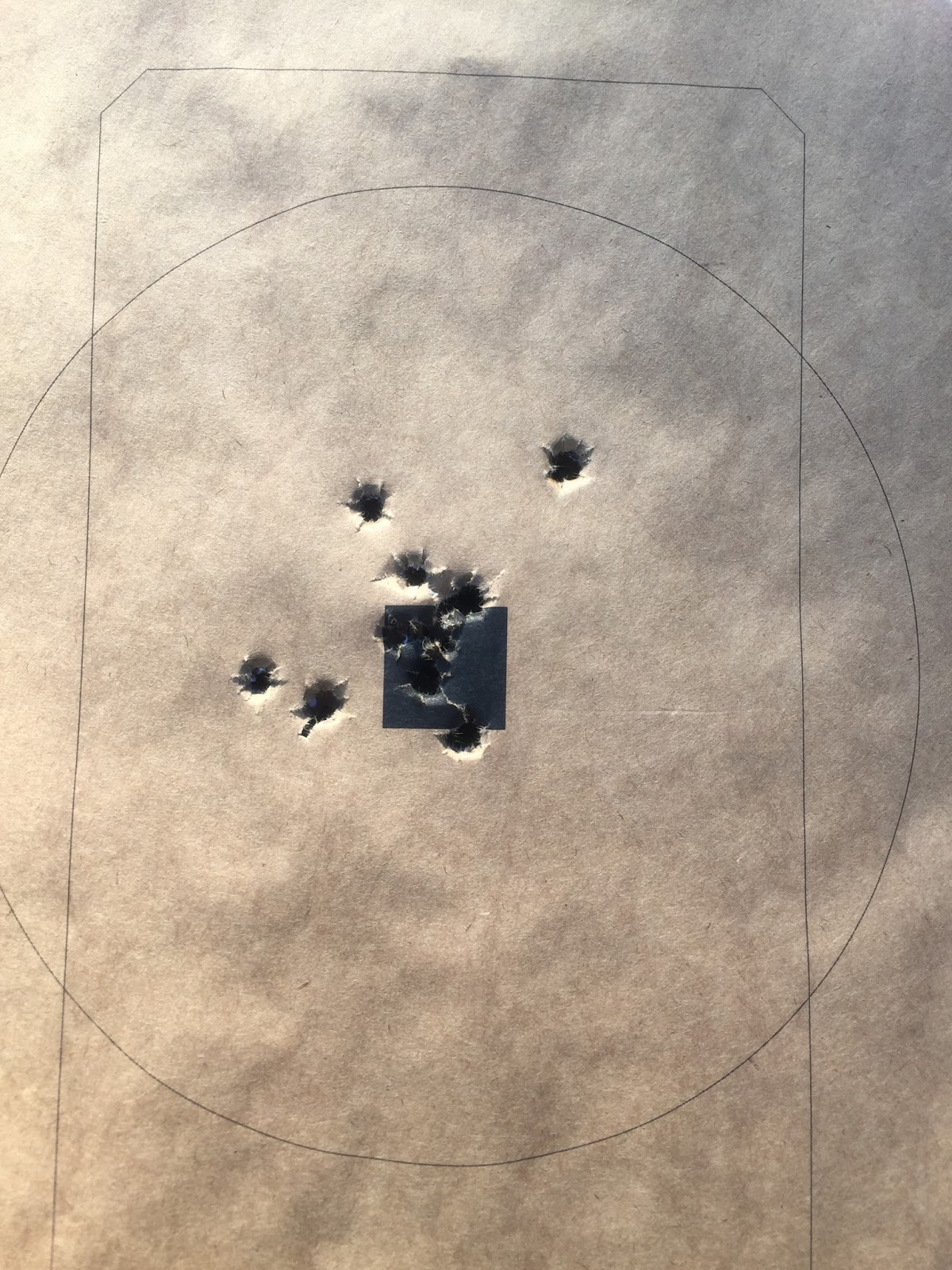
Before you drop cash on a full case, grab a single box of that exact lot number. First, run at least fifty rounds through your primary firearm to check for reliable feeding, extraction, and consistent ignition. Pay close attention to how the brass ejects—weak or erratic ejection patterns often signal underpowered loads. Next, shoot a tight group from a rested position at your typical self-defense or competition distance; if the bulk ammo accuracy testing shows flyers or keyholing, move on. Finally, inspect the spent cases for cracked necks, blown primers, or excessive soot, which indicate sloppy pressure or sealing. Only if everything checks out should you financially commit to the full 6.5 Creedmoor Ammo for Sale case.